
How Bench Warrants Work in Wayne County
A bench warrant is court process, not a new criminal charge. It usually follows a missed court date, a failure to comply, or a contempt event. That makes it different from an arrest warrant, which starts from a complaint. The court that set the appearance controls the docket entry. Call that court, and it can tell you what step clears the order. Which court issued it depends on where the case began. A city citation goes to that city's Municipal Court, while county criminal matters land in General Sessions or Circuit and Criminal Court. A missed family or civil obligation may sit in Chancery, so ask the clerk for the exact process name.
Wayne County's Missed-Date Bench Warrant Court
Start with the court, not the jail. The sheriff serves process in Wayne County but does not speak for the judge who issued it. Wayne's public inmate search shows confinement only. It is not a list of unserved bench warrants. A booking clerk hearing nothing is not the same as a court confirming a recall. If the original paper is gone, give the clerk the person's name, date of birth, approximate date, city or court, and any citation or case number. Ask who keeps that docket and whether a public status entry can be shared. The state rules matter here too. Criminal Procedure Rules 4 and 9 govern this process, and Tennessee's official rules index sets out the terms a criminal docket uses. Review the current rules index for the language itself.
The rules give the framework. A Wayne County clerk can find the entry on a specific docket.
Bench Warrant Issuance in Wayne County
No county form spells out every local step. The Wayne County paper trail runs from the missed setting or order, to the judge's process, to any service return. A clerk can say whether a new date, motion, or appearance is required. Legal advice is another matter. For General Sessions and Juvenile Court, Judge James Y. Ross is listed in the state directory at 931-722-5563. Circuit Court Clerk Carol Warren handles felony and post-indictment files. Municipal citations stay with the city court that issued them.
James Y. Ross's Wayne County Bench Warrant Route
In Wayne County, Judge Ross wears several hats. The Tennessee AOC lists him as General Sessions and Juvenile Court Judge and adds city-court roles in Clifton and Collinwood. Those shared roles do not merge the dockets. A city citation still needs that court's record. Ask the clerk which court and division owns the case before requesting a copy. Cases involving a child go to the juvenile clerk. Ask about its special access rule instead of treating it like an adult warrant search. The AOC profile lists the public court roles and contact details, and the Tennessee courts judge profile shows the current listing.
The profile confirms Judge Ross's Wayne County assignments but lists no one's warrant and promises no current court date.
How Bench and Arrest Warrants Differ
A bench warrant follows a court event. An arrest warrant follows a probable-cause finding on a complaint or other charging process. Tennessee Rule 9 also provides for a capias or summons after indictment or presentment. Labels matter here. A city fine is not a felony arrest warrant. One Wayne County case can hold several kinds of process over time, so the issuing clerk can identify the label and docket event, and an attorney can explain what it means for the person.
| Process | Trigger | First record contact |
|---|---|---|
| Bench warrant | Missed court date or order | Court that set the appearance |
| Arrest warrant | Probable-cause finding | Issuing court and criminal clerk |
| Rule 9 capias | Indictment or presentment conditions | Circuit or Criminal Court Clerk |
| Summons | Order to appear | Court named on the paper |
Clifton's Third-Monday Bench Warrant Court in Wayne County
Clifton sits in Wayne County, and its official court calendar puts municipal court at City Hall on the third Monday of each month at 5 p.m., directing visitors to the rear entrance from the parking lot. Nothing there calls it a warrant-surrender desk. The calendar also does not promise that a person with active process may appear without risk. For a Clifton citation, City Hall at 931-676-3370 can quote the amount and the citation number. The police page lists four ways to pay. Mail, walk-in, drop-box, and citiSen payments are accepted, and insufficient payment or failure to appear can lead to further legal problems and possible license loss. Ask if an old ticket still takes that lane. Confirm with the Clifton court first.
Clearing a Bench Warrant in Wayne County
Wayne County publishes no recall form, no motion fee, no walk-in policy, and no warrant surrender schedule. No counter clears process on demand. Walking into the sheriff's office or the courthouse with that assumption invites trouble. Confirm the steps with the issuing court and an attorney.
- Ask the clerk whether the process is active and which case or citation number applies.
- Ask whether the judge can reset the matter or requires a motion to recall or quash.
- Confirm whether counsel must appear and whether a walk-through or surrender is allowed.
- Call sheriff booking before an authorized surrender to ask about booking, bond, and release steps.
- Keep the written order, receipt, or new setting and ask when the docket will update.
Before appearing: confirm the location, date, identification, booking risk, and bond instructions with the court or your attorney.
A reset or payment can settle one obligation without dismissing the underlying Wayne County case. Get the court's specific action in writing.
Waynesboro Bench Warrants and the Pink Citation
Waynesboro Municipal Court works off the date printed on the pink citation. Mail a check or money order to the Police Department, or appear in person on that date. Ignore both and the city says it may forward the citation to the State Department of Safety for possible suspension of driving privileges. Call City Hall at 931-722-5458 for the full cost. The published charge list leaves items out. If the date has already passed, phone before sending any money. Ask whether an FTA or bench warrant process was entered, whether a judge must act, and whether payment or an appearance is still required. That call can spare you a misdirected payment. The Wayne County sheriff's most wanted list is no substitute for this municipal route, and Wayne County traffic warrant routes walk through the city citation channels.
Wayne County Courts That Issue Bench Warrants
Wayne County splits bench warrant work across several courts. General Sessions takes lower criminal matters and preliminary hearings. Juvenile Court follows its own confidentiality rules. Circuit and Criminal Court hold the felony and post-indictment records. That clerk is Carol Warren, at 931-722-5519. Clifton, Collinwood, and Waynesboro each run a municipal court with its own city citation process. The clerk directory also lists Clerk & Master Jamie Ann White, who keeps the Chancery records, so a criminal warrant request belongs there only if the underlying matter truly sits in Chancery. For current numbers, check the current state clerk directory, where the AOC lists Wayne's Circuit and Chancery clerk contacts.
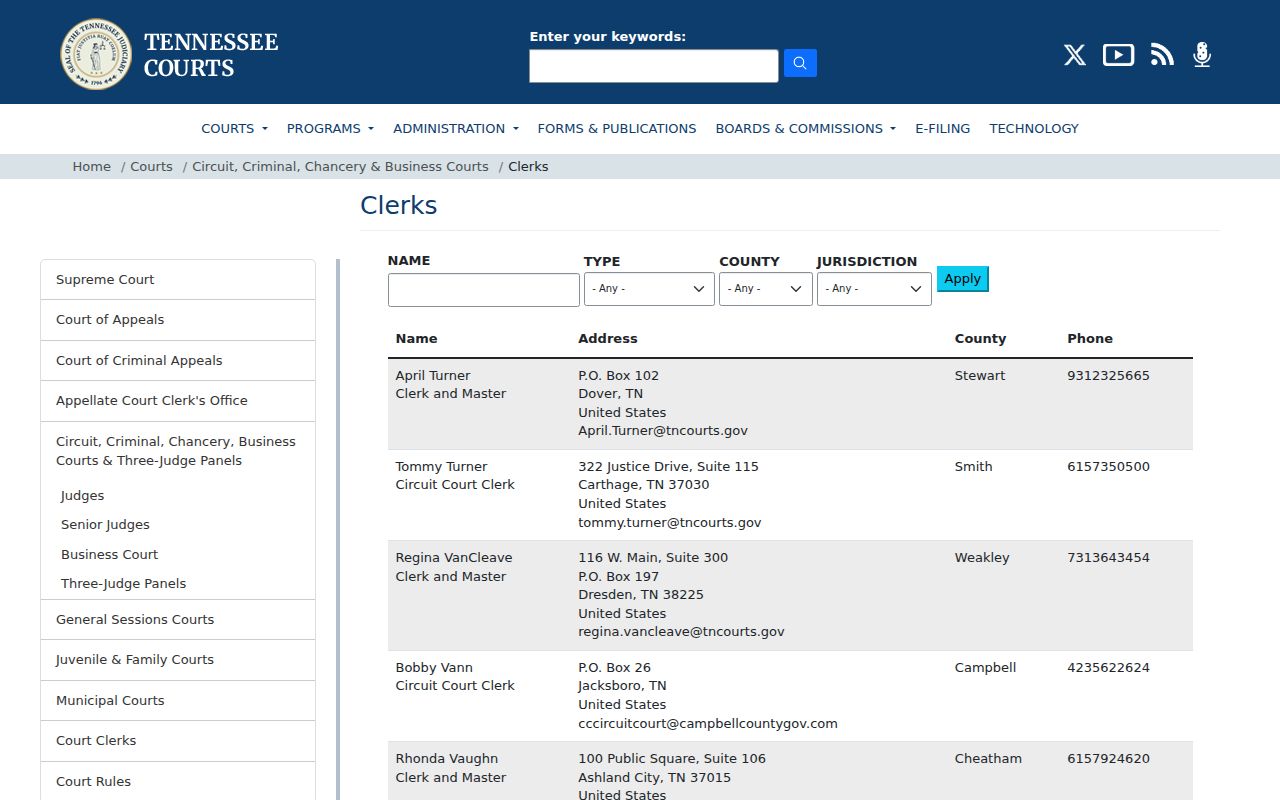
Match the clerk block to the case division first. Then ask the Wayne County court whether its policy makes the record public.
Juvenile Bench Warrants in Wayne County Have Restricted Access
A juvenile bench warrant is different. Never check one through Wayne County's adult public list. Tennessee Rule 114 closes dependency and neglect cases and allows controlled access or closure in delinquency and unruly proceedings. A parent, guardian, or lawyer should call the juvenile clerk and ask what confirmation the office can give. Rule 34 sets the general public-access rule for court records. Its exceptions cover law, court rules, and protected details, so if an affidavit or return is sealed, request the public docket or status entry on its own. The state Judicial Branch explains public court-record access on its Rule 34 access page.
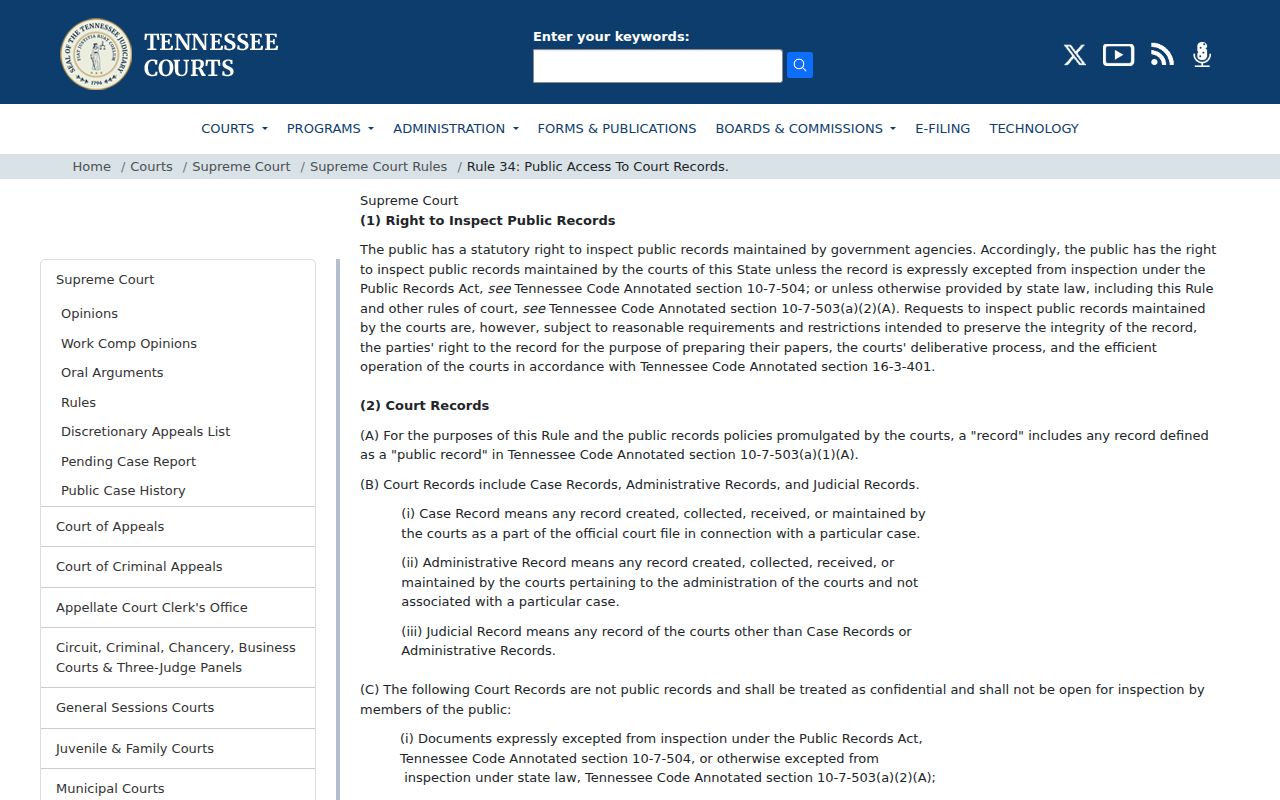
The rule sets out the public court-record framework for Wayne County, but the issuing clerk decides how it applies to any specific juvenile file.
- FTA
- Failure to appear as ordered; it can lead to a court process.
- Capias
- Arrest process; Rule 9 uses it for specified post-indictment situations.
- Recall
- A court withdraws a warrant; the case may remain open.
- Quash
- A court sets aside the process.