
How Arrest Warrants Work in Wayne County
Tennessee Rule of Criminal Procedure 4 lays out the whole sequence: a complaint, a probable-cause review, and then an arrest warrant or a summons. The warrant names the person and the offense. It directs law enforcement to bring that person before a magistrate. Which court holds the file matters. General Sessions handles lower-court criminal matters, while felony and post-indictment records sit in Circuit and Criminal Court. A city ordinance citation can create municipal process of its own. It is not a Wayne County felony arrest warrant.
Wayne County Rule 4 Starts an Arrest Warrant
Everything begins with a sworn complaint or affidavit. That document gives the judicial officer facts to weigh, and if probable cause supports the request, the officer may issue an arrest warrant or a summons instead. Probable cause is a legal threshold, not a status you can read off a booking screen. Wayne County cases often build the same way the sheriff's Investigations page describes: a report comes in, a deputy writes it up, evidence is gathered, witnesses are interviewed, and the prosecutor reviews what follows. Not every arrest starts with a warrant, though, so a charging paper and the court entry remain the reliable sources. For the records side, the state's public-records office explains your request rights and their limits. Read the official Public Records Act overview alongside the court rules.
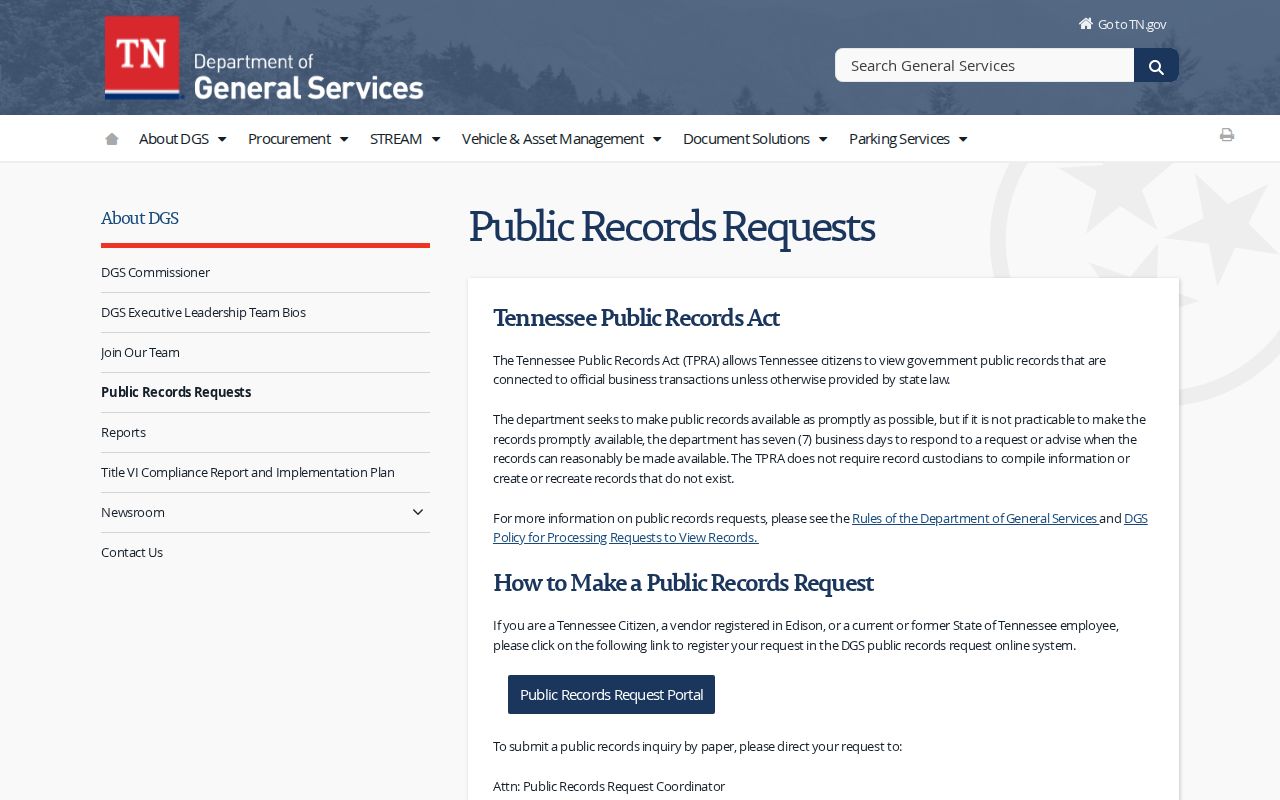
Getting into a Wayne County court file is separate from the warrant's legal basis. Exemptions and court rules can still limit what the clerk releases.
Arrest Warrants: What They Contain
Wayne County posts no sample warrant. No public form or number format exists. Ask the clerk which fields the actual court record contains and whether the supporting affidavit is open. A warrant number should come from the court, never from a guessed local format. The list below works as a request checklist drawn from the rules and court-file structure; not every item is public or stored in one place.
| Case and process number | Use the identifier supplied by the court; no Wayne format located. |
|---|---|
| Issuing court and officer | Court division, magistrate or judge, and clerk authority. |
| Complaint or affidavit | Factual basis for process, subject to sealing and disclosure limits. |
| Offense and date | Charge, classification, and issue date shown in the record. |
| Bond and status | Amount or condition, service return, recall, or later order if public. |
Ask for each item separately: the docket entry, the warrant, the return, and any bond order. A Wayne County clerk can say what exists and what is open.
How Warrants Get Served in Wayne County
The Wayne County Sheriff's Patrol Division works to clear court-issued process, including felony warrants, Class A and B misdemeanor warrants, and civil warrants. The department names no separate warrant squad and publishes no dedicated warrant line. Dispatch at 931-722-3613, Option 1 can route a service question, while the booking desk at 931-722-3615, Option 1 handles custody. City police handle municipal duties, and the issuing city may run its own service route. Confirm the serving agency with the clerk. The sheriff's inmate page does not cover every city or court record. For records held elsewhere, the Tennessee Open Records Counsel explains that a public-records request should go to the office holding the record. See the official TPRA FAQ.
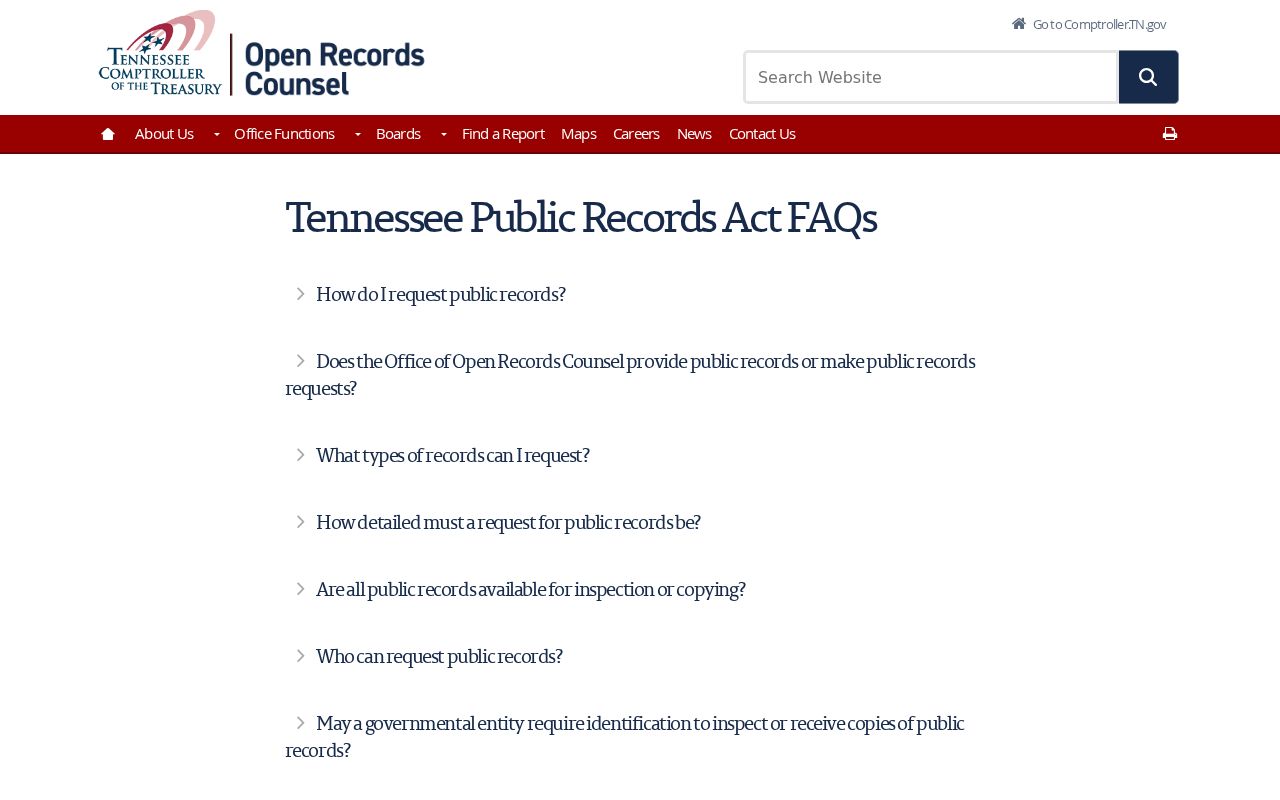
That FAQ covers specificity, identification, costs, and response timing, but it does not offer a Wayne County warrant lookup.
Arrest Warrants, Summonses, and Bench Warrants
These labels answer different questions. An arrest warrant follows a probable-cause decision. A summons directs a person to appear, without the same immediate arrest command. A bench warrant follows a missed court event or a violated order. A Rule 9 capias may issue after indictment or presentment under its own conditions. One file can carry more than one kind of process at different stages. Ask the clerk to identify the actual record entry in Wayne County rather than relying on a phone message, a third-party page, or the absence of a jail booking.
| Record | Why it appears | What to ask |
|---|---|---|
| Arrest warrant | Probable cause on a complaint | Which court issued it and what process is current? |
| Summons | Order to appear | What date and court are listed? |
| Bench warrant | Missed appearance or order | Which setting was missed, and what does the judge require? |
| Rule 9 capias | Post-indictment or presentment process | Which Circuit or Criminal Court file holds it? |
Wayne County Arrest Warrants and Prosecutor Review
Wayne County's public investigations description follows a clear arc. A report comes in, a deputy documents it, evidence is gathered, and an investigator follows up. When a responsible person is identified and an arrest is made, the investigator presents the case to the prosecutor. That is local case-development context, not a promise that every report leads to a charge. The charging paper and the court entry remain the reliable way to identify the process. If you believe an active warrant exists, ask whether the case sits in General Sessions or in Circuit and Criminal Court. Then ask which clerk can confirm a public docket entry.
How Arrest Warrants Are Served in Wayne County
The sheriff's patrol statement covers court-issued felony, Class A and B misdemeanor, and civil process. The county publishes no constable list and no city-marshal roster. City police may serve municipal process, but the court record itself should confirm the serving agency. Wayne County has two commonly cited government locations: 100 Court Circle for county public-records requests, and 1016 Andrew Jackson Drive for sheriff, jail, and court contacts. Call before visiting, since no office posts warrant counter or surrender hours. On the license side, the state explains compliance and reinstatement after a reported failure to appear. Check the official reinstatement instructions; that page is not a county warrant status tool.
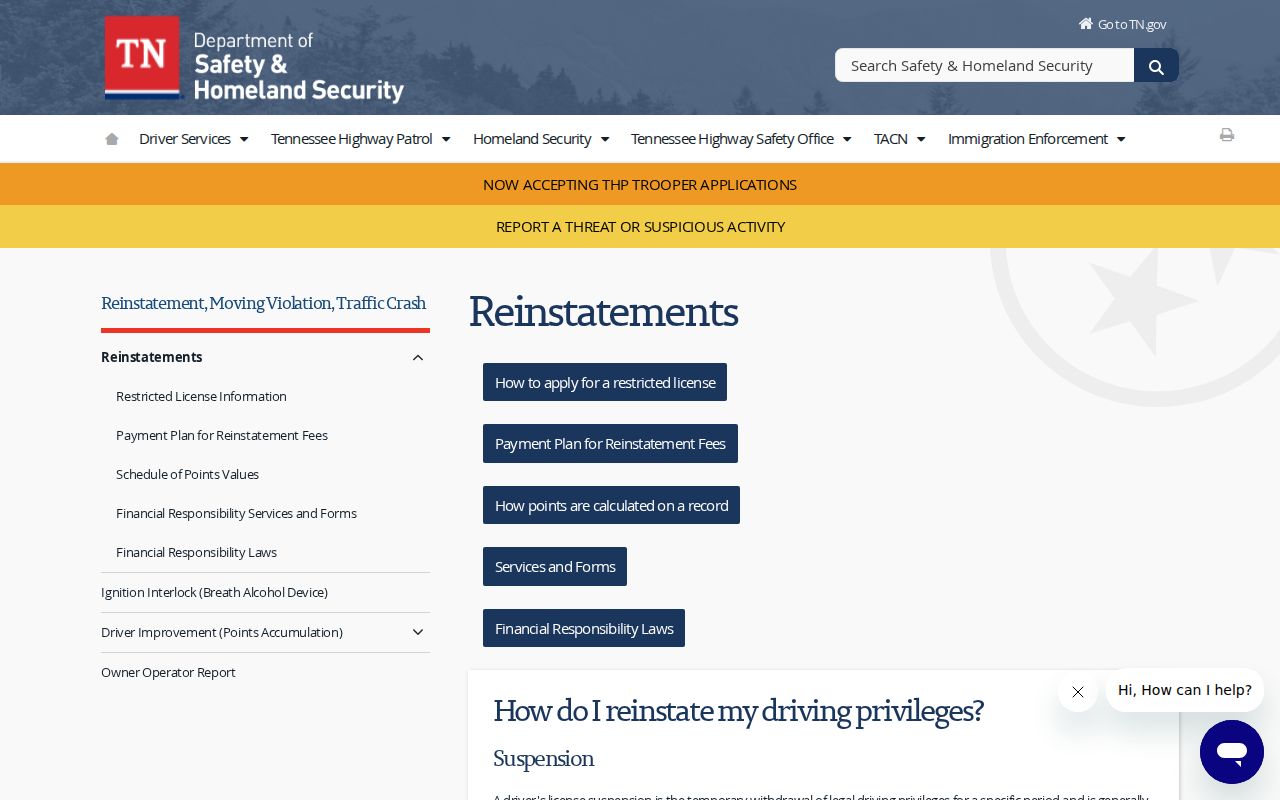
A Department of Safety compliance status can follow a failure-to-appear report. It cannot prove a Wayne County arrest warrant exists or has been served.
The Missing Wayne County Arrest Warrant Form
Wayne County publishes no downloadable arrest-warrant form and no sample warrant for the public to study. The same goes for a standard case-number pattern or a field-by-field online search. Your better move is to ask the court for the public docket entry, then request the warrant and its return if the clerk will allow it. Be careful how you frame that ask. A demand for "all warrants" is so broad that the staff may not be able to locate a record at all. Tennessee court access rules add another layer. A sealed affidavit or protected material can stay closed even when the docket itself is open to anyone. Juvenile cases follow separate closure and access rules under the Judicial Branch's Rule 114 confidentiality provision. Check the official juvenile rule to see how it works.
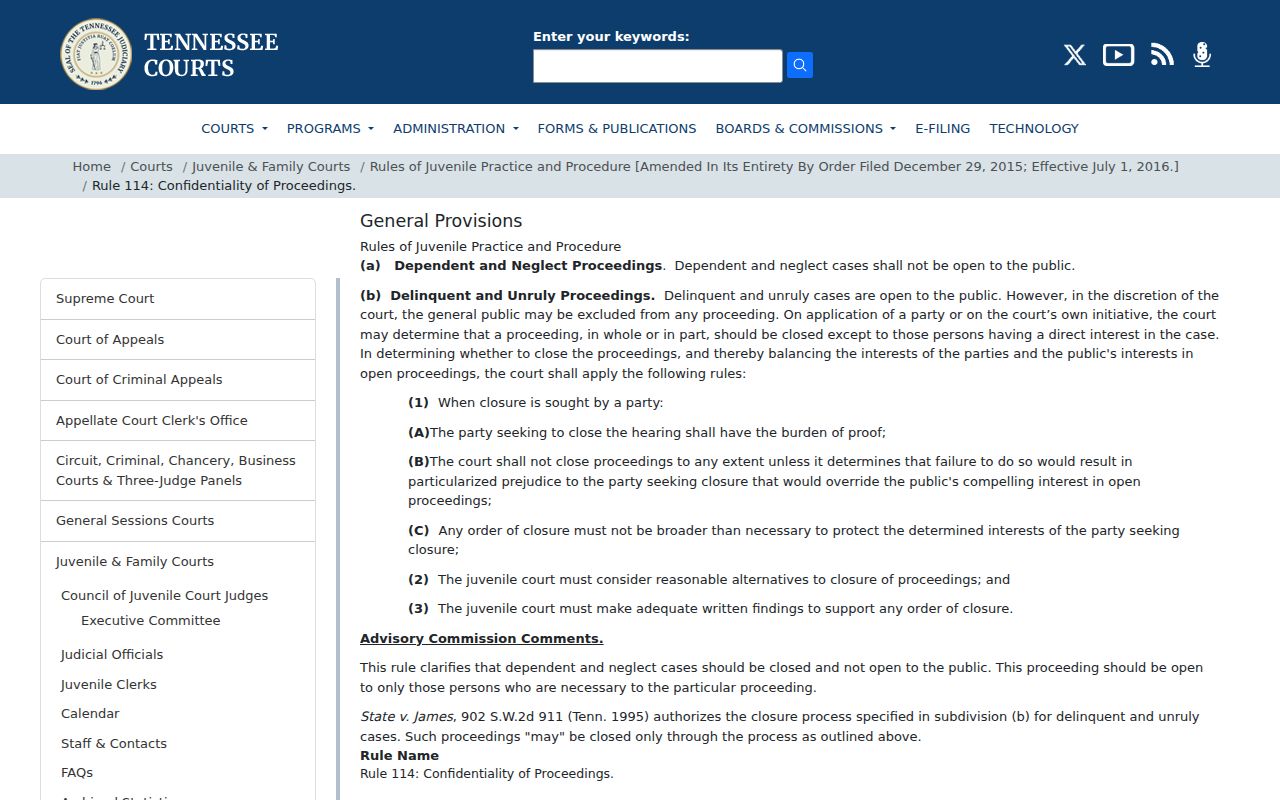
Do not hunt for a Wayne County child's record through an adult public search. Never publish identifying juvenile details either.
Handling an Arrest Warrant in Your Name
Think an arrest warrant carries your name? Talk to an attorney first, then contact the court before you show up in person. Wayne County has posted no warrant-specific surrender process, no walk-in hours, no recall form, and no bond-window payment rules. So ask the clerk directly: whether a lawyer can arrange a walk-through, and what booking or bond steps might follow.
- Identify the issuing court, case number, process type, and current status.
- Ask whether counsel, a motion, or a court setting is needed before surrender.
- Confirm the booking location, timing, identification, bond, and payment route.
- Keep the order, receipt, bond paperwork, or reset notice.
- Ask when the court and sheriff will update their records; do not assume the case is dismissed.
Before appearing: speak with an attorney and confirm surrender details with the issuing court and sheriff booking desk.
Bond can get you released while the case moves forward. A recall changes process status only. It does not erase the charge itself. For a fuller court-first route, see the Wayne County steps for handling a confirmed warrant.
Federal Warrants Are Separate From Wayne County Arrest Process
Wayne County sits in the Columbia Division of the Middle District of Tennessee. A federal arrest warrant is federal court process, plain and simple. It does not live on the Wayne County sheriff docket. PACER opens public federal case information to anyone, though a sealed case or sealed warrant stays out of an ordinary public search. The U.S. Marshals Service keeps a Columbia office. The federal clerk and PACER each handle a different piece of case access. Keep the two systems straight in your head. A federal no-result does not clear a state or municipal warrant, and a Wayne County court action cannot resolve a federal case. The official PACER site lays out how federal case access works. Read PACER's access information.
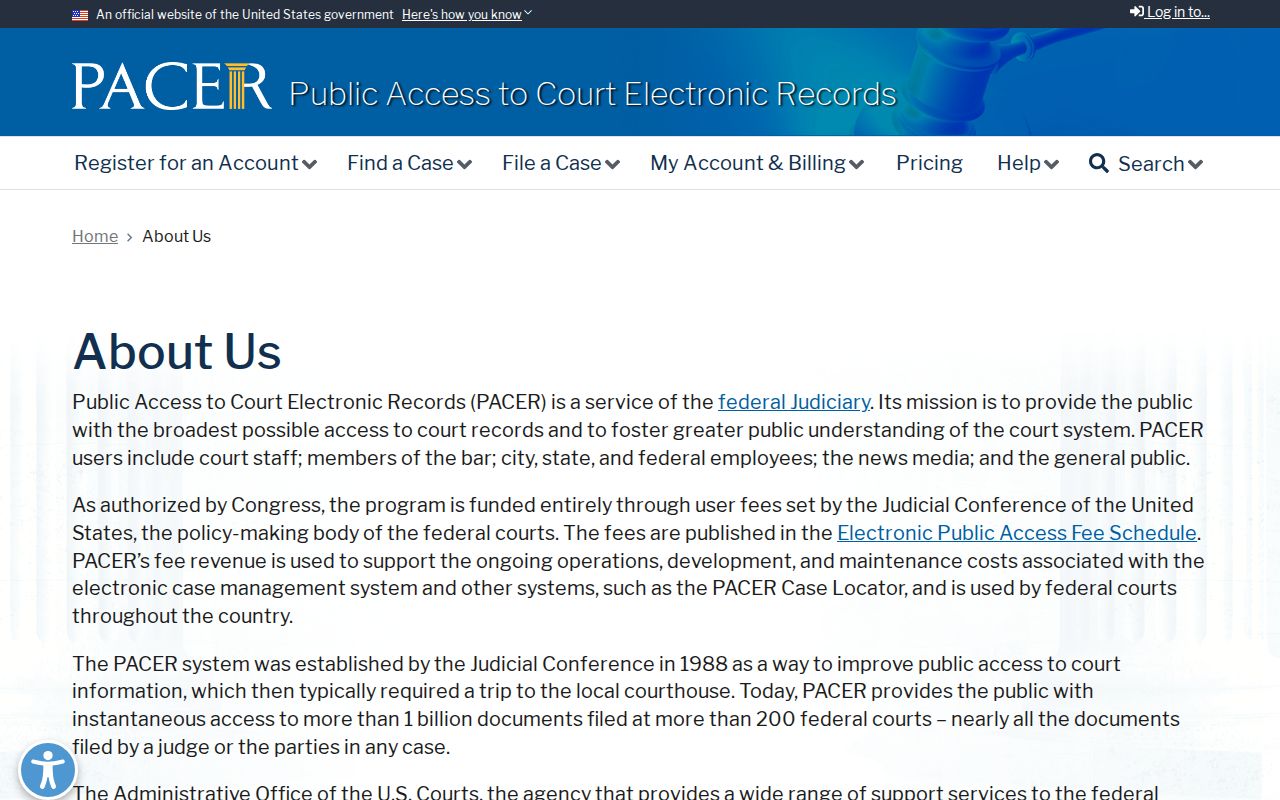
Federal records run through a separate channel from Wayne County entirely. Consult federal counsel if a sealed or federal warrant worries you.
- Probable cause
- Facts that support the warrant decision.
- Summons
- A direction to appear rather than an immediate arrest command.
- Return
- The serving officer's report back to the issuing court.
- Capias
- Rule 9 process used after certain indictments or presentments.